Aidan, part 2
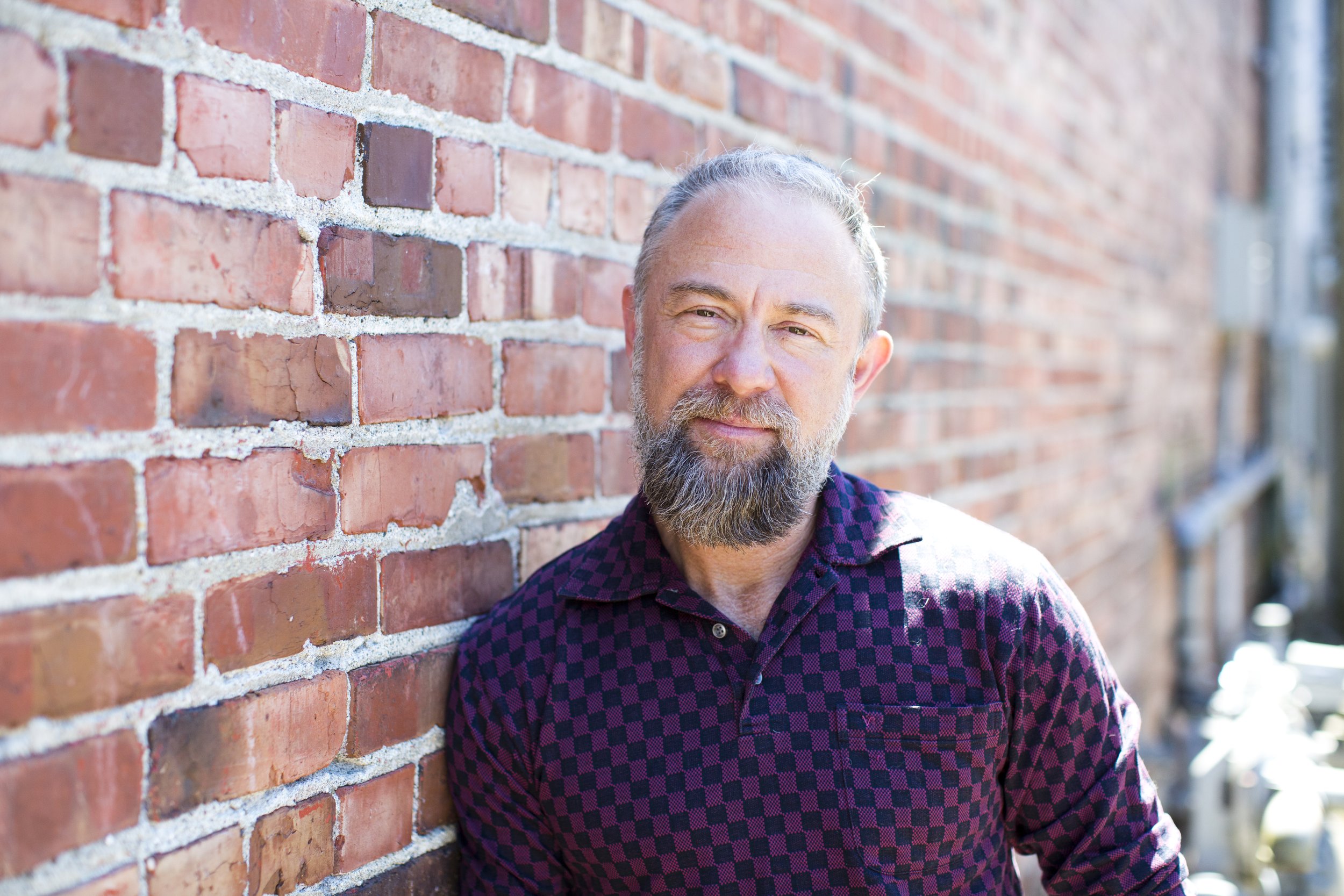
Aidan Key is a sought-after speaker, author, and educator whose gender-related work spans over 25 years. Aidan, the founder of Gender Diversity, works nationally with hundreds of K-12 schools and youth-based agencies providing professional development, strategic planning, policy development, athletics guidance, and education for parents and students. Key is also the founder of TransFamilies, a national organization providing support and resources for families of gender-diverse children. He is a sought-after educator and speaker for professionals in the legal, judicial, corporate, medical, and mental health fields.
Key is the author of the groundbreaking book, Trans Children in Today’s Schools, (Oxford University Press), a contributing author to both editions of Trans Bodies, Trans Selves and Affirmative Counseling and Psychological Practice with Transgender and Gender Nonconforming Clients (American Psychological Association). In partnership with the WA State Interscholastic Activities Association, Aidan authored the nation’s first Gender Diverse Youth Sport Inclusivity Toolkit and co-authored the first gender inclusion policy in the U.S. for K-12 students.
Aidan has been awarded over 20 formal accolades for leadership including Seattle Magazine’s Most Influential People of the Year; Huffington Post’s Top 30 LGBTQ Change Makers; Greater Seattle Business Assoc. Humanitarian of the Year Award; Trans 100 Inaugural Member Award; Community Service Lifetime Achievement Award, WA Dept. of Health & Human Services; and a GLAAD Media Award Nominee. He is considered a subject matter expert regarding transgender and nonbinary children and has been featured on national and international television, radio, internet, and print media including The Oprah Winfrey Show, Larry King Live, DiversityIS, and twice on NPR’s Fresh Air.
You can find Aidan’s work here:
TransFamilies - support for parents/caregivers of trans and nonbinary children
Gender Diversity - education and training for schools, workplaces, and organizations
Aidan S6 E10 PART 2
[00:00:00]
Intro with Music
Jackal: Hello everyone. Welcome to our new season of Stealth a Transmasculine podcast. I'm Jackal.
Kai: I'm Kai. We're your hosts for the Trans Masculine Podcast. The new season means new questions, and this season focuses on staying connected during these difficult times.
Jackal: Our show focuses on the stories of people who identify as transmasculine and who transitioned either socially or medically before or around the year 2005.
The name of our show highlights two important facts that one, for our generation. We were often told to hide our past and live in underground existence. And due to that, our stories are often overlooked.
Kai: We want our audience to know that we ourselves are part of this generation of trans masculine identified people, and that we value the [00:01:00] experiences inside our trans masculine community.
We want people to know that throughout our lives, each of us has had to navigate issues of disclosure, which have impacted us In many ways,
Jackal: the bond we share as persons of trans experience is precious and lifesaving. These are trying times. Throughout the world, there are groups removing protections in place for our trans and non-binary communities, safety is a real concern for us, particularly our trans and non-binary bipoc siblings.
Kai: We offer links to health and safety resources on our website, trans masculine podcast.com. We also have an incredible mentor mentee buddy program that has connected 88 trans men. If you're interested in becoming a mentor, please reach out to our awesome volunteer Clark. Via the mentoring tab on our website.
Please hold each other dear and stay in touch with us. If you're new to our show, welcome and if you're a follower from a previous season, thank you for your continued support. [00:02:00]
Jackal: As humans, we are always changing and transitioning. As elder trans men, we assume many roles. We get married and divorced. We are caretakers, we are parents.
We are professionals, academics, and advocates. We push for human rights and systemic change.
Kai: We invite our listeners to remember that we are a living community. We are healthy, we are contributing, we have experienced loss and success. We are loved, and we welcome you to our stories.
Jackal: Well, let's get on with the show.
Kai: Let's get on with the show,
Jackal
Ad
Shawn Aaron: Hey, this is Sean Aaron. He, him, his. And I'm here to tell you about them. Boys podcast. I'm the host of them boys podcast, and as a black queer trans man, the podcast amplifies the voices of other trans men of color as we share our transition stories. The podcast not only amplifies the voices of trans men of color, but it raises awareness and conversations around our lived experiences.
You can listen to the podcast by going [00:03:00] to them boys.org/podcast. That's D-E-M-B-O-I s.org/podcast. I hope to have you join us on the next episode.
Guest Bio
Kai: Hey there, this is Kai. To let you know that Jackal and I had such a great time talking to Aiden, that we lost track of time and we decided that the best option would be to keep the entire interview, but divide it into two parts. So welcome to part two of Aidan's interview.
Today's guest is Aiden. Aiden is a sought after speaker, author, and educator whose gender related work spans over 25 years. Aiden, the founder of Gender Diversity works nationally with hundreds of K through 12 schools and youth-based agencies providing professional development, strategic planning, policy development, athletic guidelines.
Education for parents and students. [00:04:00] Aiden is also the founder of Trans Families, a national organization providing support and resources for families of gender diverse children. He is a sought after educator and speaker for professionals in the legal, judicial, corporate, medical, and mental health fields.
Aiden is the author of the groundbreaking book, Trans Children in Today's Schools by Oxford University Press. A contributing author to both additions of trans bodies, trans selves, and affirmative counseling and psychological practice with transgender and gender nonconforming clients. In partnership with the Washington State Interscholastic Activities Association, Aidan authored the Nation's first Gender Diverse Youth Sport inclusivity toolkit and co-authored the first gender inclusion policy in the US for K through 12 students.
Aiden has been awarded over 20 formal accolades for leadership, including Seattle Magazine's most influential people of the year. [00:05:00] Huffington Post Top 30 L-G-B-T-Q, change Makers Greater Seattle Business Association Humanitarian of the Year Award, trans 100 Inaugural Me Award, community Service, lifetime Achievement Award.
Washington Department of Health and Human Services and a GLAAD Media Award nominee. He is considered a subject matter expert regarding transgender and non-binary children, and has been featured on National International Television, radio, internet, and print media, including the Oprah Winfrey Show, Larry King Live Diversity Is and twice on NPRs Fresh Air.
Check out our website, trans masculine podcast.com to see links to his books.
Jackal: So welcome back to Stealth, a Transmasculine podcast. We are here with Aiden
hey Aiden. So our show is called Stealth and always ask what does stealth mean to you?
Aidan: I don't know [00:06:00] what it means to me. I, I I had an experience, well, prior to transition where I worked at a, in a construction job and a woman I had said, Hey, you should go into the trades. Here's this pathway, and pointed me to it. She says, whatever you do, don't tell 'em you're a lesbian. And I thought, oh shit.
Okay. So for three long, torturous months, I didn't say anything about who I was. I made up some boyfriend. It was ridiculous. I didn't even know, I, I don't know how to make up a, a, a life. Right. And they were awful to me. They weren't as awful as some people have experienced, but they just pretty much just said, go stand over there.
Stay outta the way. Don't get hurt. They didn't show me anything. They put me on stupid menial tasks that didn't need to be done, nobody wanted to do, but just sort of whatever. And one day I just got so tired of it and I end up sharing with maybe one of the only other women on the job, on a different crew.[00:07:00]
She says, oh yeah, you know, I, I think you're a lesbian, but all the guys say, no, you're not, are you? And I yeah, actually I am. And she goes, I knew it. And then within, you know, 12 short hours, I think the whole, she had managed to tell the whole job site and it was night and day. The guys were nicer. They started showing me how to do stuff.
I'll never forget it. Spring was showing up and you know, I think Spring in Seattle is one of the most amazing seasons ever. I just felt like the clouds part and the angels started singing kind of
thing
and in that moment I just said, I'm never gonna be in the closet again. So when it came time to gender explore the gender transition, I just thought, well, I'm just going to be open about that too.
I didn't know how radically different that was gonna be than, than with a lesbian identity. That's sort of just, you know, where are these movements and their progression on the [00:08:00] timeline. Yeah, I didn't know what that was gonna be like. And so, as I've progressed in, you know, from hosting a workshop to producing a conference to any number of things along the way that ha have now become my, and for a long time have been my professional career there's no such thing as still. Even I have to, I have to make a decision when I get on an airplane. Do, are you gonna be friendly with the person next to you if they're friendly with you or not? Because if I say, oh, hi, how is it going in response to their hellos, then the, the door for conversation opens. Well, where are you going? Why are you traveling?
Is it work or pleasure? Well, it's, it's often, I'm going to do a school training in Wisconsin or whatever. Oh, I, yeah, I'm traveling for work. Oh, what kind of work do you do?
Jackal: Mm-hmm.
Aidan: [00:09:00] Okay. I a deep breath and I think, well, this is this five hour flight. You asked the question, so you're getting it. And I've had amazing conversations with people that with, with Christians, with Mormons, you know, just Wow.
But I have not. Because of my decision some time ago, and because I stay engaged in the, in the work of gender inclusion, it's just something that is not some, it's, it's just not afforded to me,
Jackal: Right.
Were, you ever told though, like, because in the nineties, especially me and Kai both had this were you ever told or suggested that you should lead a stealth lifestyle?
Aidan: that the, that, yes. Short answer, yes. The expectations of how one must do it were laid out in [00:10:00] those support groups. We went to
Jackal: Right, right.
Right
Aidan: From some people and how, you know, what your hair should look like and how you should talk. please don't move your hands around without the word please in front of it.
Kai: Tell us about your hair
Aidan: Oh,
yeah
Kai: was that hair. Let's talk
Aidan's tell us about your hair, because that was radical at the time.
Aidan: yeah. Oh, well, I loved having long hair. And as a young baby butch in Seattle, I got attention, especially when I put blonde streaks in
Kai: Mm-hmm. It was gorgeous. It Beautiful hair.
Aidan: I'm like, don't
tell me
Kai: hunky hair.
Aidan: Yeah. I wanna say, don't tell, don't tell me. Men are sexist because women are too.
That
that blondness radically changed my world, speaking of any number of transitions.
Right. And so, I liked, I liked that. I liked that I could, I could, it, it was, it was kind of, radical to do as a butch even. So I [00:11:00] just thought, as a matter of fact, at work, when I, when I disclosed to people at work, what I was up to and get ready, here's a new name and here's why I am changing my name.
And several people after that first couple of sentences would say, but are you gonna cut your hair? And I said, are you kidding? I'll change my gender, but I'm not gonna cut my hair.
Jackal: Right. Yeah.
Aidan: And I think for about a couple of years into transition I did not,
Jackal: Mm-hmm.
Aidan: and it was hell.
Didn't, I wanted to keep it.
There was parts of it that I liked and it's when it was still, it had a, it's blonde streaks and stuff too. I'm walking down the street, some guy across the street, hey Fabio you know, yelling stuff.
And
I think my favorite was just. Getting some gas, you know, when you had to go inside to pay for it.
Jackal: Hmm.
Aidan: And the, the guy at the counter, he's just staring at me and he says, you look like you look like Johnny Depp and Brad Pitt put [00:12:00] together.
Kai: Well not a bad
compli
Okay. Hunky.
Hunky it.
Mm-hmm.
Aidan: Yeah. But but there was disrespect that came with that. And of course for many of us, we can often look younger than we are.
Kai: Hmm.
Aidan: And so I was the world was treating me as a young punk rocker or surfer or whatever they decided. And I, I just, I'm like, I'm a grownup here. I don't, I don't like this.
I'd have to kind of say, oh yeah, I have a kid. She's 12. What? Whatever. Just, just things to put me in a, a, at least a slightly different context for those. And then I just, I did some stuff that didn't translate well. I thought, well, I'll make it darker instead of blonde. And that looked like shit. And, and then I just went to the person who had done my hair for years and I said, cut it off.
I
want it shorter. And she was terrified. And she would, she would cut it, she [00:13:00] cut it down to my shoulders and I said, keep going. And just kept bringing it up and up and up. And then finally I just said, okay. That's good.
Kai: What was that like to see yourself without the, the long hair?
Aidan: Yeah. I don't know. I it, it was actually a step into what is a continued. Progression of still looking in the mirror and going, I don't know who you are.
Kai: Mm-hmm Mm-hmm
Aidan: the, that moment, I don't know if anybody else on planet Earth would relate to this, but that moment where I was I'd had chest surgery.
The
The, hair was still long.
The masculine the masculine expression was more and more evident. Pronouns were kind of all over the map of what someone might use. I never knew what to expect. But I know at that moment when I looked in the mirror, I said, there you are. That's the person I've expected to see my whole life.
Jackal: Wow.[00:14:00]
Kai: That's So, cool
Aidan: You know, like, who's this? Like look this face with the gray hair and whatever. Who's that old guy? Yeah. I don't
Kai: that I, I just think back in that era, in the communities in which we lived, being in, like me being in between. Being, you know, misgendered, any pronoun would come out and then people would intentionally misgender, you know, like I think your hair added to that, you know what I mean?
Like I imagine it may have, you know, where people would just make assumptions about you in your gender because of the long hair, you know, especially in the earlier phases. Is that true?
Aidan: People didn't know what to
think
You know, I, I, I, I'd see people puzzling all the time. I had somebody at a stoplight ask me to unroll my window and Are you a man or a woman? it was so interesting because it's a woman in the [00:15:00] passenger seat asking me this. The man driving was mortified. He said, oh, I'm so sorry.
Just ignore her. Just ignore her. So, yeah, I don't know. I know that I ha I felt a weird whiplash all the time of what pronoun is somebody gonna throw out? I worked in, in, at that point I was working as a body piercer, and so I'm, I've got customers coming in and out, and part of my job is not only to pierce them, but to put them at ease.
So if, so, I would often just sort of adjust my behavior based on what I, what I perceive them, what pronoun they tossed out. Do they see me as a man or a woman or what? So, and then adjust in that way. It was really hard if I had two or three people and they were using different pronouns, then I didn't know what do and I just said, fuck it.
I'm going to just be myself. And they could think whatever they want. And in that moment, onward people [00:16:00] more consistently used he and him pronouns.
Kai: That's interesting.
Aidan: Long hair and all.
Kai: Yeah. That's so interesting. Thank
Aidan: I know. Like, I just thought, well, I'm just being comfortable in my skin at
Kai: Mm-hmm.
Mm-hmm
Aidan: and, and I don't know, I just started reading that more as male
Kai: Mm-hmm.
And that the whole issue of disclosure, like how, how much or how little you would disclose in those situations, but just over, over time, you've moved around a lot. You've lived in different parts of the world that are maybe more blue and not blue, you know? Talk to us about, like over, over your, since you've transitioned, have there been times where you're a little bit less disclosing and less maybe o open about your gender identity?
Aidan: there. No, no, I, I've just, I've just gone at it the same way. I might have to dig deeper and take that deep breath and go, okay, here we go. I don't know how this conversation is gonna go because I just spent the [00:17:00] last. You know, recent five years in my hometown of Juno, Alaska, it is a bluer city than the rest of Alaska, but it is a red state.
And trust me, there's the dudes and the pretty reasonably sized conservative Christian communities as in there as well. I just thought, well, here goes
Kai: Mm-hmm.
Aidan: and, and, because here's the other thing that happens as a man as soon as you share your name, what kind of work do you do is the follow
up
All right? All here it is. Here's the kind of work I do, and I,
Kai: Do you ever change, do you ever switch it up though for your safety reasons? Like you just say like you're a consultant or a writer, or,
Aidan: I don't,
Kai: mm-hmm. Wow.
Aidan: I don't because I'm found that I'm pretty passionate about this work. But that said, I, I might, I might put the [00:18:00] earbuds in on, on the plane and, and pop that movie in.
Kai: Mm-hmm. Mm-hmm.
Aidan: but if somebody's asking, I've only had one time on an airplane where the dude next to me got really squirmy. I was like, what happened in your pants?
Somebody throw some little bugs or something. And I just thought, well, you asked, so you might think better next time about talking to
who's next to
you. And, and you know, I, I I get a, a tone to my voice. I hear it even as I say it. But I'm mad. angry about the fact that I can't exist,
Without judgment, without people's preconceived notions, without that bias showing up.
And so what I do. In those moments, what I've been doing since day one with the, the women in the community or whatever, is you just don't get to dismiss me. if you're gonna do, if you're gonna do that, you're gonna do it to my face and you're gonna do it while I am being [00:19:00] gracious and loving and respectful.
Kai: Mm-hmm.
Aidan: you wanna do it, then go ahead. And it doesn't mean I won't have a big, big cry later that I won't fall apart. I myself up and, and and keep going.
Kai: When you, when you think about back in the day about disclosing and compared to now during the political climate and all the things that are happening, how do you think the two eras compare?
Aidan: Well, the, the political environment we have now is such that everyone. From my perspective is being forced into two opposing harshly opposing camps where we don't have, we don't make room for the things that I feel are so important. The, if, if the people closest to me in my life, you know, my sister, my mother some of those friends of [00:20:00] mine who love me unequivocally, if it's ridiculously difficult for them to wrap their minds around it and struggle and have all types of feelings, including grief and anger it, why would other people not need some room for that too?
Even if they don't know me personally, to really accept me as a human being on the planet, they have to grieve their construction of the world as they know it. And I'm compassionate for them on that. I know it's difficult and I've made a living on understanding and respecting that. So that could be the father of the transgender girl who's seven years old, who his inner soul is shredded because his, who he thought was his son, his pride, his joy is now saying [00:21:00] she's a girl.
And his notions about who transgender women are. Most people in our society do not have anything remotely near something positive. It's very ugly. It's a very ugly mindset.
Jackal: Yeah. Yeah.
Aidan: And that's his 7-year-old. And it's not just his 7-year-old, it's his own. Relationship to his maleness. It's his fears of how others will perceive him because all of his pals or his coworkers or who society as a whole would tell him, I would never let my kid do that. So his own masculinity, his own sense of self, his challenge. So yeah, you know, I, I, I'm broken hearted that that's part of the process except that what I, what I'm able to do when I step in with these heartbroken fathers, mothers, other caregivers, grandparents, whoever is help, help [00:22:00] scoop them up and give them compassion for all of those things that they're in turbulence about.
And trust me, sitting in, sitting in a room with a father who feels disgusted. His kid is not an easy task, but
the
transformations that I watch are incredible, and if I can make room for that. Great. So back to your question about the political climate, what sucks is that it makes that even harder to, to have that space where we can come together and, and make room for all of that.
So as, as far as me personally and, and having a voice in the world and doing this work all I've done since the political climate has gotten so significantly harsh, more harsh. It's just double down on, on the time spent with the people who, who do come into my sphere. Because those trans children, whether they're seven or or you know, [00:23:00] 37 are those, the parents of those kids are, are.
Finding their way, then the, the number of kids disclosing has not dropped,
Kai: The transformation that you're talking about. People as they, I find that so helpful because we've witnessed it since we transitioned. Just like how, even just the dike community and how people who excluded us or didn't want us around or thought we had to disappear
, Things have really shifted and now I think, you know, being able to sit in a room with caregivers who are adjusting to what does it mean for my child and how am I gonna keep my kids safe? And then what does it say about me, right? 'Cause you wanna keep a kid alive, you know? And I think being able to hear those conversations throughout your transitions, Aiden, multiple, that is just a constant with you [00:24:00] to be able to sit in those rooms.
And I just wanna highlight how wonderful that is.
Aidan: Yeah, well, I'm gonna give a shout out to that the, those women I talked about, right? Because my little baby dyke self, when I'm, you know, 19, 20, 21, whatever, years old and meeting them, I'm meeting people that wrote books that were impactful to me and my life and my identity. That's that famous person, you know, I'm like, I wanna be like that.
I want do, I want to do that. And would tell any and every last one of them. That you paved the, the way for me to do this, that I built, that my foundation including my mom and my sister, right? My foundation and grade teacher, my foundation was established and I wanted to, I wanted to facilitate that.
I, I could see so clearly, so early on how [00:25:00] much could be done and where we were, and that the field was so just ridiculously wide open for making a difference. And you know, when we talked earlier about the narrative that we were told that we need what we needed to do to be a trans man in the world I was also being told by, you know, one individual or two individuals however about how. What I should do and where I should do it and where I shouldn't do it. And if I didn't abide by that, then probably I wasn't really a transgender man.
Kai: Mm-hmm.
Aidan: And I remember just, you know, one person I just said, look, there's room for both of us to do work in this world, and I'm doing it in the arenas that I care about.
And this other, this other person who was, who felt quite free to tell me how I should do things, I said, look, you care [00:26:00] about that area. Why don't you pull together a community meeting or something like that to, to discuss those things? And I'll never forget it because that guy, he had transitioned quite some time before me and he rolled his eyes at me.
Like he thought that was the most ludic, ludicrous thing that I should, that I should ask him to do something while he's busy telling me how, what I needed to do to. To make his world fit, so
Kai: speaking of small worlds, we tried to cram each other into boxes and stuff, and even just being like a non heterosexual, stealth guy back then that was taboo,? So some of us gravitated toward towards more flexible identities.
Jackal: I have a question because I think it refers to the political climate, but then we're gonna wrap up. So also in the political climate, one of the things that we think is really important is staying connected to other trans men. And you've done a lot, you've stayed connected to the [00:27:00] lesbian community.
We talked about that you created Gender Odyssey and did that for a number of years. But right now, in your life, do you have brothers, trans men that you stay connected to, that nurture you, that nourish you, that help you keep going? Where do you stand right now in, in your connections?
Aidan: Well, hardly any.
Jackal: Hmm.
Aidan: Hardly any. And part of that, it's not by my choice at all. It's by where I've chosen to put my energy in the work that I do, specifically with cisgender, almost exclusively cisgender heterosexual parents of trans and non-binary children.
Jackal: Mm-hmm.
Aidan: So in a weird, wild twist of circumstances, that is my community much more so.
I, and, and that's been a real [00:28:00] blessing. It's helped me sort of navigate some things and do some healing about the, the world. You know, my, my judgment of cisgender heterosexual people, it's helped me so much to the point where I don't consider them, I consider them trans. They have a very very parallel trans experience to mine.
Jackal: Mm-hmm.
Aidan: They're just doing it on behalf of their kids. It, it, it, it rips, it turns them inside out. So I've wanted desperately at times wanted trans, adult, trans people to, to join me in my world because our stories help these parents a lot. And the occasional person that kind of would come close and, and wanna be in, would step into a support group for parents.
And they, they couldn't do it. [00:29:00] They just couldn't do it. And for a lot of reasons, you know, there's, there's grief and there's pain and overwhelm. And I, I get that. I experienced that too when I first met them. Grieving a life. Watching, grieving a life that these kids get to have that I didn't get to have.
And they're still struggling and so, so to, to show up as a trans person in those rooms and essentially have to detach from my transness to be able to support them
Jackal: Mm-hmm.
Aidan: and also bring it back in when it could be helpful. is a, is a quite a, quite a complicated dance.
Jackal: So, so what tips would you have? 'cause, I mean, this is a perfect question for you, but what tips do you have for allies and the people who love us [00:30:00] that would support us?
Aidan: Mm-hmm. Before I get there, I'm gonna finish answering the question though,
I have always believed, and I still believe that as an adult tra adult collection of trans communities, that there will be more and more people who will be able to do that.
And so I'm really excited about that. And then the piece of, but what about me? only, that's only recent. I, where are my needs? And, and, and being able to have
Jackal: Are you talking specifically about you, Aiden?
Aidan: Aidan's needs to connect with other trans men.
Jackal: Yeah.
Aidan: I mean, I went to one of the Camp Lost Boys in Pennsylvania a couple of years ago, is absolutely ridiculously overwhelming for me.
Jackal: wow
Aidan: Yeah. On so many levels that we don't have time to talk about. But I, I was, yeah, [00:31:00] that's, that's a more recent foray in, in my own personal life is to figure out, like I, I've set aside my own needs for a long time.
Jackal: Mm-hmm.
Aidan: So yeah it's a good question and I do have some, but very few that can really that can really understand the things. 'cause it's one thing to find somebody who has, who might have the, the same longevity of experience be approximately the same age as me. But many trans men are out there living their lives with lots of other things going on.
And my world has just been gender, gender, gender, gender, gender, gender, gender. So, so, you know, I'm. That it's not as important to, to find that, but I do want to find people who, who can, can relate to that in some way. So, yeah. So go back to your question, [00:32:00] Jackal, 'cause I already forgot it.
Jackal: No, thank you so much. You're a great person to ask this question of what tips do you have for allies and the people that love us to better support us.
Aidan: I am gonna, maybe I'll answer it, but I wanna, I want to change the question up a little bit if I can,
Jackal: You, do you.
Aidan: What tips do I have for our community?
Jackal: Okay.
Aidan: To to understand the experience of allies. And I understood this in my transition and trying to be in some of those spaces that others will loosely identify as women only space, and being told like, okay, well if you're going to be here, sit in the back row and don't say a word again.
My mom didn't raise that [00:33:00] kid. And so, oh, and, and, and pick up those boxes and lug them around and, and, and then here's the donation envelope. You know, the, the, the what was tolerated from allies was very confined and very sidelining. There's a lot of good reasons for that. Absolutely. So I'm not saying discard that, but because I've been able to step in with these parents what I want my trans community to, to recognize, and I'd actually really like my trans community to recognize it even before gay and lesbian community does, is to not other them.
Not to other, those, those parents and caregivers. Because they are transitioning. This is their experience. Whether they're transitioning themselves, maybe you know, 0.01% of them are, 'cause [00:34:00] I've met parents who end up transitioning because of their child's journey. But. They are going through the, the, the fear of what kinda life is my kid gonna have?
They're going through and questioning their own identities, their own relationship to gender, their own relationship to sexuality, their own relationship to their faith, to their culture. Everything can be stripped from them simply because they wanna love and support their kid. That's massive. And if they then go to the places like the Creating Change Conference by the, by the, that the task force puts on or things like that, and they get, they get slaughtered there because they can ha they have been, I, I've talked to them, many of these parents or told you don't belong, or, or, I, I can't believe you're even in this room.
Then they're even more isolated. And alone. And when I think about my own [00:35:00] life and who's really held me and supported me, I can't, I can't tell you how much they show up. They show up in such significant ways. They show up with their checkbooks, they show up with love and checking in and how are you?
And conversations, they invite me over for dinner. You know, they introduce me to their grandchildren. They, they include me as part of their family and their, their part of mine. And the number one thing that they do is make the world different and better for their child. They keep that child on the planet, number one, and ridiculously higher numbers than would be otherwise.
So I can't, I want my community to understand that allies, in my opinion, aren't. Aren't, aren't allies in the way that we have typically framed that.
Jackal: Mm-hmm.
Aidan: So, you know, that
Jackal: No
I love them.[00:36:00]
Aidan: yeah, don't I don't know what to say about the other
stuff
Kai: I'm, I'm just thinking about like how a caregiver or caregiver's, family members transition along with their child or loved one and how do they discuss it? Up until recently I didn't ask my siblings, what do you do when somebody asked how my birth name was? You know, how's your sister doing?
And so how have you handled that over the years? It used to be that they would explain it, in the beginning, , for folks who had a History with me, or if I was newer, and now how do you talk to each other when you are having these conversations with folks whose children are transitioning?
What suggestions do you have for them to share or not share or, you know, cope with the massive amount of changes?
Aidan: So if I understand the question, it's how do I speak to these and other caregivers about how to navigate the landscape
Kai: yeah, As their child transitions. Yeah. I'm not talking about fill out a [00:37:00] form at the school. I'm saying, like how do you tell grandma? How do you tell your neighbor if you do, you know.
Aidan: Well, you know, I, I run at least 15 support groups a month, bringing them together all across the nation, some outside of the country to talk about those very things. And part of it is I want them to recognize what I see so clearly and that they are transitioning too. So if you're scared, if you're angry, if you're worrying if you're up at two in the morning, yeah.
Yep, yep. I get it, I get it.
I get it
And giving them validation for that. If they're grieving a child that's right there in front of them alive and well, but their heart is breaking, then I wanna say, yep, I get that. Yep. You, you could be, you should be many. You have to grieve to welcome in.
[00:38:00] This who your child really is. Some people don't grieve much at all, but they're a small, tiny percentage. So even one example was just a day or two ago, where a parent saying, look, my kid's 27. And he didn't want me telling any friends or family for a while. And now he's, he's loosened up on it.
And, and he goes, yeah, now you can tell anybody. And the mom is saying, if I talk to my mom about this, she's gonna put it all on me. She'll be kind to my child, but she's gonna come at me about
this
and I don't know what to do. And I just thought, well, okay, how. My brain, all of these variables, what, how do I, is there a way that I could offer a suggestion or offer support?
And I said, you know what? Your kid, your kid's, not 12, your kid's, 27, [00:39:00] you tell your child, you sit down your child, your sit down with your child and say, I, I am happy to shoulder as much of this as I can. And guess what? My mom and I, we have a relationship and this is, this is this is gonna come down hard on me and, and, and it's gonna affect that dynamic.
And I'm just not up for this one, at least at this time. So I'm gonna hand grandma back to you. You're 27. go ahead and, and talk with grandmother and I have some suggestions for how you might approach her because I absolutely feel she's gonna engage with you in a really loving. And so this parent was, I said, I said, does that type of suggestion, is that helpful?
And she goes, it is because she just felt like she had to do it. I'm like, your kid's 27 grow up. You know, mean, I don't that meanly, but is, [00:40:00] it is what we have to do in life every day anyway, is navigate potential disclosure with whom and how. your kid needs to build some muscles in that department and grandma's gonna respond better.
So it's just an example.
Kai: That's great. Thank you.
Jackal: One of the things that I hear when you're talking, you know, and reframing this question too, is is something that I've thought about is that we as trans people need to stop saying cisgender, like it's a bad word, like we're on two polar ends of a spectrum and never the two shall meet, you know, because.
Hello. Most of the people I interact with are cisgender, and they're not bad people. You know, like I, most of my friends are cisgender, and , when we say the word, it's almost like, I'm cussing, you know, it's like, oh yeah. Cisgender people. I just really want to encourage us to stop framing [00:41:00] cisgender, like it's a negative.
Because I think that the more we do that, the more animosity we receive from cisgender people.
Aidan: Our, our, our political landscape is no accident.
Jackal: Right,
Aidan: You know? Yeah. We've got, we can, we can point to the nightmare in the, in the White House if we want, but all he did was stir a pot because he knew, you know, at least he's got spidey sense for what's gonna polarize people, what's gonna frighten them. And, and, and what you were saying Jackal reminds me of even quite some time ago where early in transition, I'm like, is anybody gonna love me?
Is anybody gonna love this body? You know, how's that gonna go? And I know I knew a couple of people, you probably know both of them who, who basically were pretty straightforward in saying, my sexual orientation is towards trans men.
Jackal: Mm.[00:42:00]
Aidan: One cisgender male and one cisgender female, and they got shit they got being accused of fetishizing and whatever.
And I remember thinking, you just shut the fuck up because I, I wanna know that somebody,
Jackal: Mm-hmm.
Aidan: Thinks I'm hot. I wanna know that this,
Jackal: we all think you're hot, Aiden. And we have.
Aidan: Was one other thing I wanted to say. What was it? Oh, you know, back with respect to the butch femme community and it's, oh my God, we're losing our butches and whatever. And I decide, well, I'm gonna stay. Well guess who still thinks I'm hot. A lot of those women in the community, the difference is that they don't want anybody to know about it. And you don't get to jump into my bed, jump into yours and then not hold my hand down the street. Unacceptable. And so that's also another reason why I felt reasonably, I felt, I felt that [00:43:00] I wanted to push back on them.
Jackal: Mm-hmm. That's another interesting thing around stealth that me and Kai have to think about, but that whole, you know, I love you in bed, but I don't wanna hold your hand in public kind of thing. Like, that's
Aidan: Hell no.
Jackal: Yeah. Hell
Aidan: It's one of things I'm grateful for transitioning later is that I kind of a foundation of confidence in my life. I mean, I was deeply insecure moving through transition anyway, but still I was like, wait a minute. Nope. Not that don't to do that.
Jackal: not that one. Hey, so we're at the end here. Are there any questions that you think we should have asked that we didn't? Any famous last words of wisdom You've given us so much already, but last thoughts.
Aidan: Yeah, of course could talk all day. By, by stepping into these conversations and doing this in my work world and, and just pondering the psyches of humans, like, okay, it's one thing to know myself and to sort that [00:44:00] stuff out, but what's going on for everyone else that's been a, a, you know, 20, I don't know, we're, I, I might be teetering on what, 27 years or I don't even know how many pondering
Jackal: to 30.
Mm-hmm
Aidan: I know
Jackal: 30 years.
Aidan: but what's going on for everybody else?
and that, that is a massive foundational planetary question, really. Which if we explore, then we understand why trans people are, are up there on the top five public enemies in the US right now, because it is, it does beg a lot of questions. But that said. Stepping into work with people to find out, well, what do you need or what would be helpful to understand so that we can move forward together in life of whatever that is, a friendship or a work relationship or, you know, whatever.
What people ask. And then what [00:45:00] they end up really needing are often different things too. So I say all of that as a preface to doing the work that I've done in schools with educators about how to be inclusive of, of trans and non-binary kids. They, they come at me and they say, we don't know how to talk to our kids about this.
Can you help us? Easy, easy, easy. That part. No problem. That's not their real question. Okay, Aiden? That's fine. I can, I see how. Those conversations could happen. Your examples help me see. Yeah. My second graders would respond this way. And it's great if I can keep the kids 24 7 in the classroom, but I have to send them home to their parents.
And then what comes back at me is gonna be frightening. And so when I think about trans people and the challenges that we all face, [00:46:00] we have sure, we can talk about gender. We're, we're shifting a paradigm of understanding about gender. Yeah. That's uncomfortable. The world's not flat, right? It's round. So those paradigm shifts are, are a big deal.
But this is generational also because older generations, have their understanding, have their biases, have the visible representations of the very negative representations of trans people to grapple with. And the conflation with sexuality. And not just sexuality, but perverse sexuality, you know, whatever.
The brain pulls into the mix in a single moment. Meanwhile, the kids are like, well, you know, he's always been mostly a girl anyway, so it makes sense that she wants to be called a girl's name. Now, you know, they, they move pretty quickly. So that generational piece is pretty significant. And if you, let me make mention in my book trans
Jackal: do.
Aidan: trans Children [00:47:00] in Today's Schools, that's what I tried to put on the page. To, to really bring in the psyches, the, the, the psychology of, of what we're grappling with so that those educators can pick it up and go, oh yeah, I could, I could say that to my students. Oh, I only have to talk about this much. That's easy. And then here's the bigger mountain that we have to face that we as adults need to take responsibility for. So those kids can just be the themselves. Yeah. So yeah, I, I wanted to, I wanted to at least mention that it's wild because my illustrious career as a body piercer, as a pizza restaurant manager and as a courier all prepared me to write a book that Oxford University Press published
Kai: Can you name the book again?
Aidan: trans children in today's schools.
Jackal: Nice. Thank
Aidan: [00:48:00] Oxford told me out the gate, like, you know, no offense, Aiden, but you don't have the MD or PhD after your name. And I know, I, I go, I know, I know. And that's who's asking me for training that who's, that's who's coming to me. And so I, I don't know right place at the right time, I guess. But they did say yes to it.
Jackal: Yeah, and it's
Kai: Just wanna say one thing. Having worked in this, a middle school the last year, my office is covered with rainbow flags and trans flags and rainbow lights and everybody's, well, all the things. And then I just sashay around the school, and I, I, I didn't out myself to every single teacher, or administrator, but I did to the leaders, like to the people
that
Jackal: did s.
Kai: with
I did. But the kids, like, they came and came, you know, the more and more of 'em came and they talked to each other. And, and I know word was out and I was not stealth in any way and at school. I also had moments where I was thinking about the, what's [00:49:00] making headlines about schools, , like parents coming back and saying, we're transitioning kids, all that misinformation and stuff.
And our district had such clear policies about providing an affirming environment for trans and questioning kids, which was amazing. That's why I went to work for them. There were moments at school where I had to like have a conversation with people about the bathroom policy and you can't tell a kid which bathroom they can be in and here's the policy and here's this and how doing that as a person who is of lived experience, right.
Being a trans dude was important to me. Like I used to sort of grapple with like, do I share that or not? Because some people may be less reluctant to talk about their struggles or the challenges that they have about working with a trans kid or not knowing, you know? And I just didn't care. It was like, this is, this is the policy, this is how you want to do it.
It's not a question of whether you're gonna do it, you're going to do it and the kid's gonna pick which bathroom and that might change and that's okay. [00:50:00] 'cause they just have to pee. You don't have to get all set worked up about it? But like the schools are such a really beautiful representation of the world in some ways.
And if that school environment and the district and the superintendent can be so affirming. Nothing came back to me, ever. Nothing negative, from anybody outside. And you're right, the kids just want to be recognized for who they are and maybe school's the place they can do it and not at home yet, you know?
And it's just a really wonderful work you're doing with them. I just wanted to
Aidan: Yeah.
I love it. I love it. It's, it's such a gift. It is such a huge, huge gift. And I, I've, there's, there's occasionally, there's times where I just think, well, gosh, you know, I don't have this in my life, or I would've been much further along in, in this other stuff. Or, you know, maybe the word retirement would actually be a real word, you know, or whatever.
But there's not, there's not a, [00:51:00] a day that I don't put my head on the pillow at night and wonder. Whether I've done enough or whether it's had an
impact
It is beautiful. And, and the the thing I love, which I, I I clinging to desperately, even in these hard political times where it's just gotten uglier and uglier, I'm just, I'm just clinging to my belief like you're talking about that these folks are good people.
They wanna do right. They want, they care about their kids, they care about their students. They care about the gender diverse people in their lives, whether it's up close or peripheral or whatever. They care about people. Right. I'm just gonna clinging to that until, until they haul us all off somewhere and whatever.
Because people step up. People do step up. They just need permission. They need to be helped along the way. They need to see other people doing it.
Jackal: Well, Aiden, we're going to [00:52:00] jump off the line here. Don't hang up. We are going to move on to the bonus questions, but it has been such a gift to reconnect with you.
Aidan: It's been I was looking forward to this forever, so thanks for, thanks for having me on. I'm, this is amazing.
Jackal: thank you.
Aidan: I don't get to talk about all this stuff very often like this,
Jackal: You like this? Yeah. Like hold on. Done.
Aidan: All right.
Reflections
Jackal: What did you think?
Kai: We have a long history together.
Jackal: Yeah.
Kai: And it just really brought back a lot of memories that were fabulous and some of them were hard, you know?
Jackal: Yeah.
Kai: And I honestly think, he's one of the most courageous people and tenacious people. Persons, yeah. Person.
Again, our show is called Stealth Trans Podcast and everybody makes decisions about how much or how little they are present or disclosed. And his life has been all about being front and center, out.
Jackal: Yeah, completely. He really did it in a different way. Like he, he did do his transition in a very unique [00:53:00] Aiden way compared to any of the rest of us, even though we were, you know, kind of challenging the system of like, you know, sexuality and like, you don't have to be stealth and you don't have to be cisgender, or not cisgender, but uh, heterosexual.
Things like that. He did have a very unique experience because of what he wanted to achieve in his own transition. Yeah, I really appreciate you getting in touch with him and making him come on our show and stuff like this.
That was, he was great. Super fun. He was really fun.
Kai: Yeah.
Jackal: Aiden, I love you. Like, let me just say that and uh, call it good.
Kai: Yeah. Big time. So take care, my brother.
Yeah. And yeah, it's good to see you.
Ad STP Members
Kai: Jackal and I wanna remind our listeners that we have a member section. And thanks to everyone who has subscribed, our member section offers bonus questions and personal stories by our volunteers, Adam, and our newest edition Lina. A Bipoc Trans Mask [00:54:00] sibling Exploring Adventures in Transition.
Jackal: Subscribing to our podcast helps keep us up and running. Or if you just wanna support us by giving a donation, we sincerely appreciate it. It's only $4 a month to become a member, so go to transmasculine podcast.com and sign up. We don't wanna be gatekeepers. So if you feel that you can't afford $4 per month, please reach out to us via email, transmasculine podcast@gmail.com considering buying a T-shirt while you're there.
Or if you wanna be cool, like Mic Alina and Adam, we especially need a volunteer to handle our social media.
Closing Credits
Kai: Good job today, jackal.
Jackal: Good job to you, Kai. We want to thank our listeners and especially our guests. This show would be nothing without our guests who share their insight, expertise, and heartfelt stories. We absolutely adore you and are [00:55:00] forever grateful to you.
Kai: Stealth captures the living history of men of trans experience.
We recognize that language has its limitations. The words we use to describe ourselves and our community evolve over time and will not represent everyone's experience. We also want you to know that the health and wellbeing of our community is our number one priority.
Jackal: We want to give a shout out to parents who are supporting their gender non-conforming kids.
We support you and love you for supporting your kids. We want to put our podcast in the spotlight. Thanks for not trolling us, but really is this just another form of trans mask and visibility?
Kai: We offer links to health and safety resources on our website. We monitor our social media platforms. We respond to feedback from our audience, and we will be accountable when we screw up.
Jackal: We want you to know that we are just two guys doing this in our spare time and two old farts to boot. The opinions expressed are our own and those of our guests. We do [00:56:00] not represent any entity outside of this podcast.
Kai: Remember, if you're interested in sharing your story, we would love to hear from you.
Also, if you're interested in volunteering, please let us know. Your feedback and support are essential to our show's success. Help us get the word out about our podcast. Tell your friends, share on social media, and rate us on your favorite streaming platform. Be sure to check out our website, transmasculine podcast.com.
Jackal: Thank you for joining us Until next time.